Wednesday, March 24, 2021

Multimodal Projects

 Entry 51

Research

Topic: Multimodal Projects

    There are several different ways to create a multimodal project. However, there are also specific things to consider when creating one. There are different parts to a multimodal structure: visual, audio, gestural, spatial, and linguistic; depending on what type of multimodal you consider doing will help to determine which parts you should look into the most (obviously you want to use a bit of all, right?). 
    When I say visual, I think everyone thinks of pictures or images shown, but visuals is so much more than that! It also includes backgrounds, color, transition, and more. I think everyone can get what audio is, the noise included in the project. Gestural is on what the person presenting (however they present) behaves and what they do throughout. A lot of good presentations have gestures but it is knowing when and where to use them that can make a presentation good or bad. Spatial is about line spacing, sizes, alignment and more. Linguistic is about how things are worded. All of these factors play into a multimodal project and each is as important as the other. 


Tuesday, March 23, 2021

Quote from week 11 reading

 Entry 50

Research / Reflections

Topic: Quote from "Multimodal Projects" from Kettering College Writing Center

"Never read your slides to an audience-- they can read!"
    At my high school one thing that the teachers hated was when people would read word for word off of the board while they were presenting. The teachers always said it seemed like they threw the presentation together in a day and just wrote a bunch of stuff on there- complaining when students look at the board their voices start to struggle to project. A lot of teachers preferred note cards, and only looking at the board when demonstrating a picture to show what they are saying. 
    Teachers hated when students seemed to show a lack of knowledge on their subject to where they cannot even give a presentation and not take their eyes off of the slide because they struggle to remember. For me, I either struggled with this or would do good. I get nervous when publicly speaking so I would forget what I was trying to say. Some things, most things, sound much smarter in my head. By the time the spotlight is on me, I forget what I was going to say and then I need to rely on the presentation but if I were to talk one on one I could give the best presentation. So I guess I could argue on teachers disliking it because a lot of students have social anxiety and struggle to speak in front of groups. 

Monday, March 22, 2021

Guided question week 11

 Entry 49

Reflection

Topic: How do we approach transforming research into a multimodal structure?

    When we start turning a research paper into a multimodal structure there are certain things we should consider while transforming them. Since the overall topic and research is already done, it is important to remember who the audience is and what would be the easiest way to communicate the topic? Things to consider would be what information to use, what to add on top of the research, multimodal is less words and maybe more pictures and much shorter. It should be more of a visual type of structure instead of something that may take over 15- 20 minutes to read.


Friday, March 19, 2021

Deductive reasoning vs inductive reasoning.

 Entry 48

Reflect / Multimodal

Topic: Deductive reasoning vs inductive reasoning.

Things that are very important in writing is our sense of critical thinking and know inductive and deductive reasonings. When we are reading and writing arguments we should be able to distinguish if the argument is good or not. 
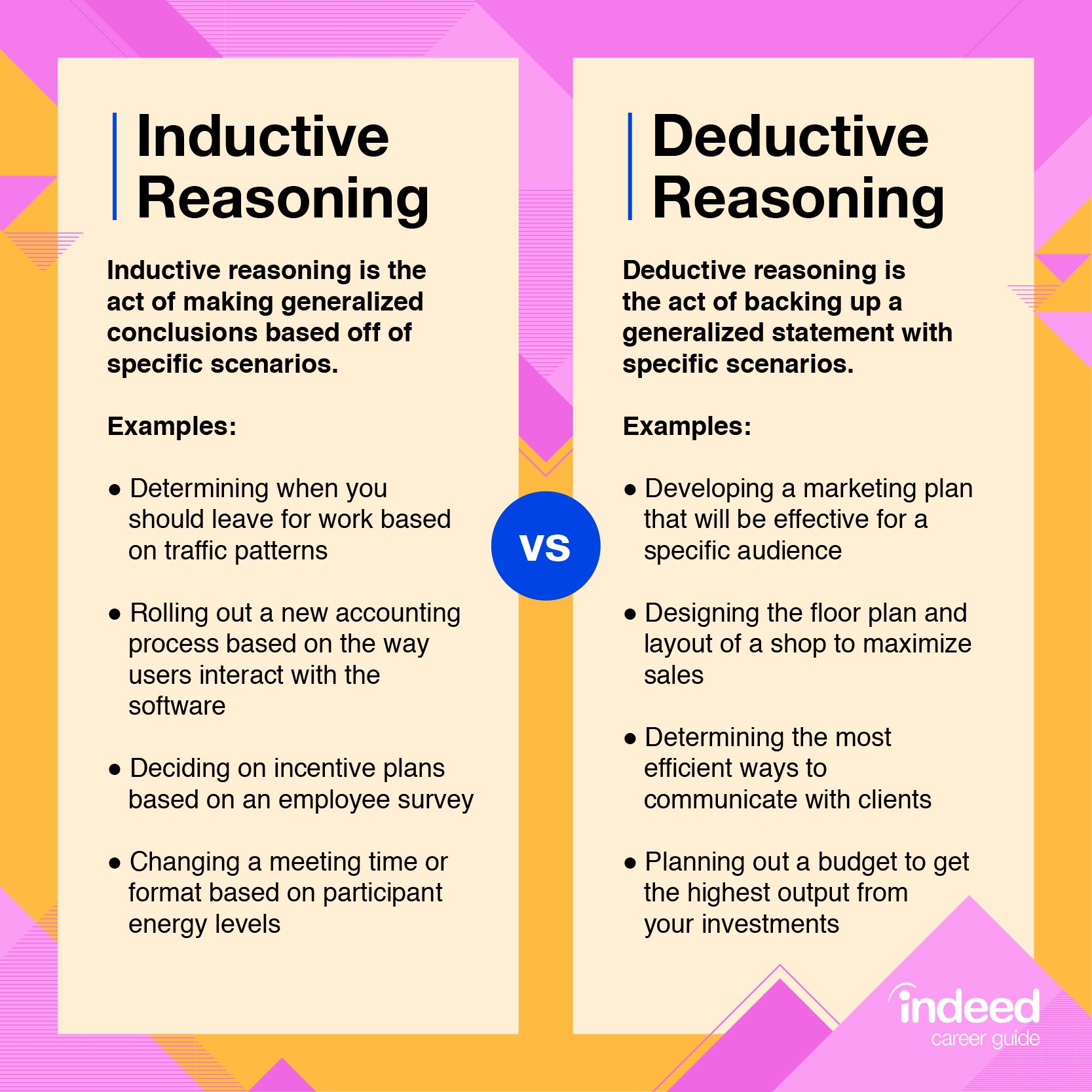
What Is Inductive Reasoning? (Plus Examples of How to Use It) | Indeed.com
This picture above explains the differences and provides examples of what inductive reasoning and deductive reasoning are. 
The Difference Between Deductive and Inductive Reasoning | Daniel Miessler
    This picture provides a more simple explanation of each. 
    Why is this important? When we read or write and create arguments we use our sense of critical thinking. We see what type of argument needs to be made or are being presented, knowing the differences between the two and what goes into each sense of reasoning can help one become a better writer. There is a sense of power that comes with being good at critical thinking. Knowing how to read and break down an argumentative paper or even just any type of work can help someone be able to write any type of paper and know how to find different parts to arguments that you may never have even noticed before learning how to expand your critical thinking. 


Thursday, March 18, 2021

Critical Thinking

Entry 47:

Compare / Reflect

Topic: Arguments

    In my critical thinking class we are constantly learning about different argument types and how to create a good, clear argument. When writing my paper, I think this class came in handy. We learn how to make logically sense and what to avoid doing and what is a good argument. I have talked about fallacies and other things that I have learned from critical thinking on my blog before, but now I want to talk about inductive reasoning. 
Inductive reasoning & logic
    Inductive reasoning is explained in this picture, if you cannot read it: "Inductive reasoning is the process of using examples and observations to reach a conclusion". By knowing how to inductively reason we allow ourselves to see the bigger picture. It is something we can apply not only in writing, but in everyday life. 
    Here is a video explaining inductive reasoning: 

Wednesday, March 17, 2021

Genres and Audiences

 Entry 46:

Reflection

Topic: Quote from Understanding Rhetoric, Issue 8, "Going Public"

"Audiences expect different things from different genres."

    When writing, it is important to know which genre you are writing about and what is required of that genre (in previous blogs I have talked about genre conventions and types of genres). Also, what is the purpose of what you are writing? Are you writing for fun or to inform? Once a topic and genre has been picked then the writer can create a checklist of things that they need to do. 

    If I were to go to a bookstore and buy a book in the nonfiction section, I am expecting informational texts and facts. If I buy a crime and mystery book, I do not expect it to have poetry in it. That is what I take this quote as, getting exactly what is expected. Audiences know what to expect by genres when they go into it. 

Finals thoughts

 Entry 67: Topic: Thoughts     I am slowly but surely, running out of things to talk about in my blog. As time has been progressing I keep f...